
Chef Sofia Sada Biography | Elite Athlete to Culinary Star
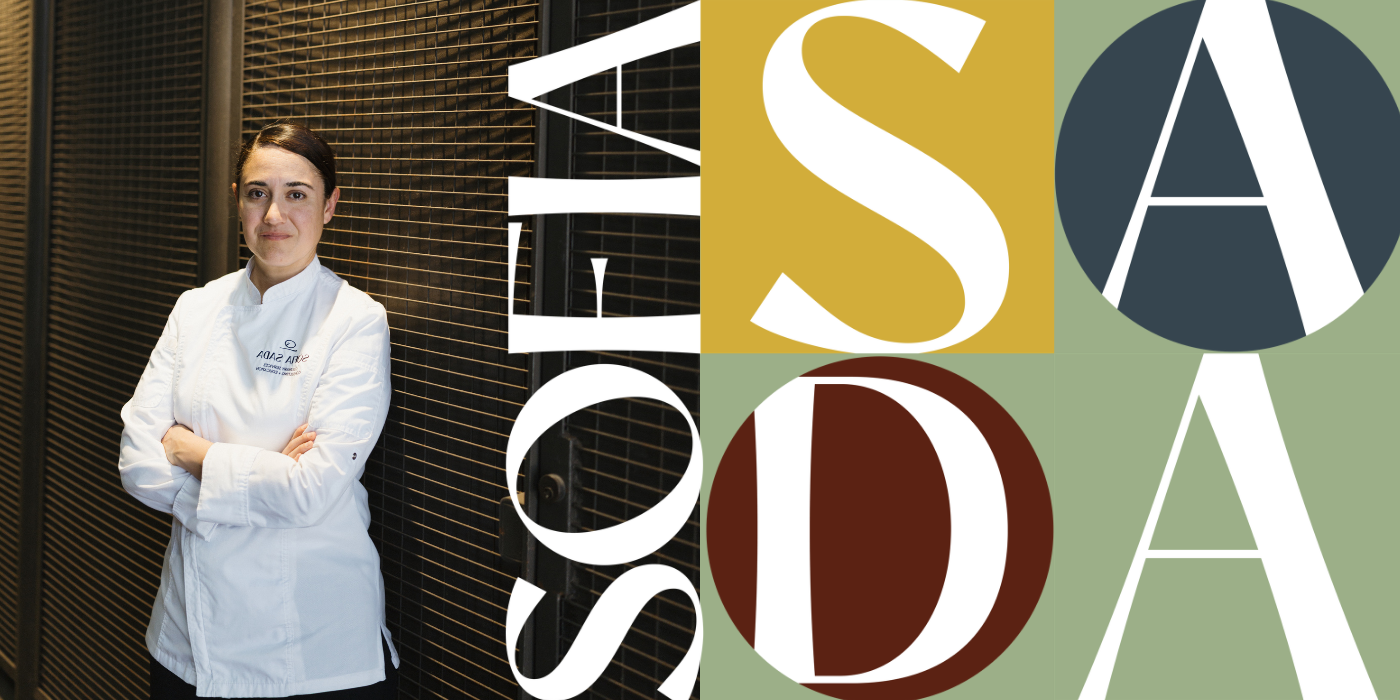
What does it take to excel at the highest levels—not in one field, but in two completely different disciplines? What kind of person commits fully to one demanding pursuit, achieves national recognition, and then pivots entirely to master something completely new?
Meet Chef Sofia Sada, and you’ll find answers that might surprise you. Her journey from the Mexican National Women’s Soccer Team to the kitchens of award-winning restaurants and Netflix’s Iron Chef Mexico represents something rare: genuine excellence pursued twice, in domains that seem to share nothing except the determination required to succeed.
But here’s what makes Sofia’s story more than just an interesting biographical footnote—it illuminates connections between athletic discipline and culinary mastery that most people never consider. The mental toughness that sustained a professional soccer career didn’t disappear when she traded cleats for chef’s clogs. It transformed, adapted, and ultimately fueled a culinary career every bit as impressive as her athletic one.
This is a story about reinvention, about transferable excellence, and about following passion wherever it leads. Let’s explore the remarkable path that brought Chef Sofia Sada from stadium fields to Kitchen Stadium.
Born Playing Soccer: Early Life in Monterrey
Sofia Sada describes herself as someone who was “born playing soccer.” In Monterrey, Mexico—a city passionate about the sport—this wasn’t merely metaphor. From earliest childhood, soccer wasn’t just a hobby or interest; it was identity.
Monterrey’s soccer culture runs deep. The city hosts two major professional teams, Tigres UANL and C.F. Monterrey, whose rivalry draws passionate support. Growing up in this environment means absorbing soccer with every breath. Children play in streets, parks, schoolyards, and organized leagues. Excellence is expected; mediocrity disappoints.
For young Sofia, this cultural context shaped early years entirely. While other children might divide attention among various activities, her focus narrowed to the ball, the field, the goal. Natural talent combined with relentless practice to produce results that attracted attention early.
Family support enabled this single-minded pursuit. Elite athletic development requires resources—time, transportation, equipment, coaching. Sofia’s family recognized her potential and provided the foundation necessary to develop it.These early years established patterns that would prove equally valuable in culinary pursuits. Dedication, practice, acceptance of criticism, continuous improvement—the habits of athletic excellence translate directly to professional cooking, though Sofia couldn’t have known that then.
Rising Through the Ranks: From School Teams to State Competition
Excellence at neighborhood levels led naturally to competitive opportunities at broader scales. Sofia’s soccer career followed the progression typical for talented athletes: school teams, then regional representation, then state-level competition representing Nuevo León.
Each level demanded more. Competition intensified. Opponents grew more skilled. Coaches expected greater commitment. The gap between “good” and “exceptional” widened, and only those willing to sacrifice comfort for improvement could bridge it.
State-level competition introduced new pressures. Representing not just yourself but your region adds psychological weight. Expectations from coaches, teammates, families, and fans create stress that reveals character. Some talented players crumble under this pressure; others—like Sofia—thrive.
Training intensity increased correspondingly. At advanced levels, natural talent alone proves insufficient. Structured training, tactical instruction, physical conditioning, and mental preparation become necessary. Sofia embraced these demands, developing work ethic that would later characterize her culinary career.
The lessons of this period extended beyond soccer. Learning to accept coaching—to hear criticism as guidance rather than attack—prepares young people for professional environments where feedback comes constantly. Learning to subordinate individual ego to team success develops collaborative capacities. Learning to perform under observation builds the composure that serves chefs working before guests or cameras.
The Mexican National Women’s Soccer Team Years
From 2001 to 2004, Sofia Sada represented Mexico on the international stage as a member of the Mexican National Women’s Soccer Team. This achievement represents the pinnacle of athletic success—playing for your country, wearing the national colors, competing against the world’s best.
Selection to the national team reflected years of development. You don’t simply appear on national teams; you earn your place through demonstrated excellence at every preceding level. Sofia’s selection validated everything she’d worked toward since childhood.
The experience provided unique pressures and privileges. International competition brings scrutiny unlike anything at lower levels. Media attention, national expectations, and the weight of representing millions of people create psychological challenges that test even the most prepared athletes.
These years also brought camaraderie. National team membership creates bonds with fellow players who share the same journey, the same sacrifices, the same commitment. These relationships, forged under pressure, often last lifetimes.
Travel expanded Sofia’s worldview. International competition takes players around the globe, exposing them to different cultures, cuisines, and perspectives. For someone who would later become a chef, these exposures planted seeds that would eventually flourish.
But perhaps most importantly, national team experience taught Sofia what operating at the highest level requires. The gap between very good and world-class is enormous and bridging it demands everything. This understanding would later inform her culinary pursuits, where she’d again aim for—and achieve—the highest levels.
When One Dream Ends: The Transition Begins
Athletic careers end. Injuries, age, changing circumstances, or shifting priorities eventually redirect every athlete toward whatever comes next. For Sofia, the transition from professional soccer to culinary arts marked a profound life change.
Such transitions test identity. When you’ve defined yourself as an athlete since childhood, who are you when that’s no longer true? Many former athletes struggle with this question, sometimes for years. Sofia’s answer came through discovering new passion.
The decision to pursue culinary arts wasn’t random. It reflected genuine interest that had developed alongside soccer—perhaps during those international travels, perhaps through family traditions, perhaps through the simple enjoyment of food that transcends specific origin.
Pursuing a second career requires courage. Starting over means accepting beginner status in a new field, tolerating the discomfort of incompetence while developing new skills. Pride, developed through athletic success, must be temporarily set aside.
But athletic discipline provides advantages in career transitions. The habits of practice, improvement, and persistence don’t disappear when the sport changes. They transfer, often quite directly, to new pursuits.
Sofia’s story demonstrates that athletic careers, though finite, aren’t wasted time. Everything developed through sport—mental toughness, work ethic, grace under pressure, team collaboration—becomes portable wealth applicable wherever life leads next.
Discovering Culinary Passion
When did cooking transform from casual interest to consuming passion for Chef Sofia Sada? These moments of discovery are often gradual rather than sudden, building from small experiences until they become undeniable.
Mexico’s food culture certainly influenced this development. Growing up in a country where food carries profound cultural significance—where meals represent family, tradition, and identity—creates foundations that later pursuits can build upon.
Perhaps the international exposure of athletic years contributed. Tasting cuisines around the world, noticing how different cultures approach food, experiencing the universal language of shared meals—these experiences expand culinary consciousness.
Or perhaps the creative drive that sports satisfied needed new expression. Athletes are creative, though we don’t always recognize their creativity as such. When sports ended, Sofia’s creative energy required new outlets.
Whatever the specific triggers, the discovery of culinary passion launched a new chapter. This wasn’t a tentative exploration but a full commitment—characteristic of someone whose previous career required total dedication.
The transition demonstrated something important about passion: it can be discovered at any age, and prior success in different fields doesn’t diminish new beginnings. Instead, it enriches them.
Building a Culinary Foundation: Early Kitchen Experience
Raw passion requires development to become professional capability. Sofia’s early culinary career involved building foundational experience through various kitchen positions in Monterrey and beyond.
The resume tells a story of progressive development: Line Cook and Bartender at La Maldita Mantequilla in Monterrey. Line Cook at Grupo Pangea: La Embajada in Monterrey. Sous Chef at Silvano’s Ristorante in Monterrey. Chef at Francesco’s Seafood & Grill in Monterrey.
Each position taught essential lessons. Line cook positions build technique through repetition and develop stamina for the physical demands of professional cooking. Sous chef roles introduce management responsibilities and kitchen leadership. Chef positions require complete oversight and creative direction.
Monterrey kitchens provided appropriate training grounds. The city’s restaurant scene, though perhaps less famous internationally than Mexico City’s, offers genuine culinary excellence and demanding professional standards.
The bartender experience hints at hospitality breadth. Understanding beverage service, guest interaction, and front-of-house operations provides perspective that pure kitchen experience lacks.
This period also developed Sofia’s understanding of Mexican cuisine in its native context. Cooking professionally in Mexico, for Mexican diners, taught authentic flavors and techniques that formal education would later refine.
The Culinary Institute of America: Formalizing Excellence
Raw experience in professional kitchens provides invaluable training, but formal culinary education adds dimensions that practical experience alone cannot. Sofia’s connection to the Culinary Institute of America formalized her excellence.
The CIA represents culinary education’s pinnacle. Its graduates fill leadership positions in kitchens worldwide. Its standards set benchmarks for the industry. Its faculty includes accomplished chefs who’ve achieved at the highest levels.
Formal education provides theoretical foundations for practical skills. Understanding why techniques work—the chemistry, the physics, the biology of cooking—elevates execution beyond recipe-following to genuine comprehension.
The CIA’s San Antonio campus, located at The Pearl District, brought Sofia to Texas. This campus, opened in 2010, extended the CIA’s reach and provided opportunities for students drawn to Latin American and Southwestern cuisines.
CIA training challenged even someone with Sofia’s professional experience. Standards are demanding regardless of background. Everyone starts at the same expectations, and only hard work earns advancement.
The education proved transformative. Whatever Sofia knew before, she knew more after—and knew it more deeply, more rigorously, more professionally.
From Student to Instructor: Teaching at the CIA
Chef Sofia Sada’s CIA journey didn’t end with graduation. She returned as chef-instructor, teaching the next generation at Savor, the CIA’s student-staffed restaurant that serves the public while training future professionals.
This transition from student to teacher reflects recognized excellence. The CIA doesn’t hire instructors casually; the role requires demonstrable mastery that qualifies someone to develop others.
Teaching forces deeper understanding. To explain techniques clearly, you must understand them thoroughly. Sofia’s instruction responsibilities refined her own knowledge even as she shared it with students.
Savor provided unique teaching context. The restaurant serves real guests paying real money expecting real quality. Students learn through actual production, not simulations. Instruction happens under genuine pressure.
Under Sofia’s leadership, Savor earned recognition. The restaurant won over locals and tourists alike for global-yet-approachable flavors, beautiful presentation, and thoughtful multi-course meals. This success reflected her instructional effectiveness.
The teaching experience also developed communication skills that would later serve her in television appearances and client interactions. Explaining culinary concepts to students teaches you to explain them to anyone.
Restaurant Leadership: Building a Chef’s Resume
Beyond teaching, Chef Sofia Sada built an impressive resume of restaurant leadership positions. Each role added capabilities and demonstrated readiness for larger responsibilities.
Executive Chef at FRIDA Mexican Restaurant & Bar in San Antonio represented major milestone. This position showcased her elevated Mexican cuisine to San Antonio diners, with signature dishes like the famous roasted cauliflower with chile morita mayo that evoked street fair elote with refined presentation.
Executive Chef at Buen Provecho in Boerne expanded geographic reach. Different communities have different dining cultures; success in multiple markets demonstrates adaptability.
Executive Chef and Catering Manager at The Helene House Event Center in Boerne added event expertise. Catering and event management require different skills than restaurant service—coordination, scaling, timeline management—that would prove valuable for her private chef and catering business.
Bar Manager experience at State Farm Arena in McAllen contributed operations expertise. Large-venue food and beverage service involves logistics at scales most restaurants never approach.
This diversity of experience—fine dining, casual restaurants, events, large venues—created comprehensive expertise applicable across virtually any culinary context.
Competition Success: Awards and Recognition
Throughout her culinary career, Chef Sofia Sada accumulated recognition that validated her excellence through external evaluation.
Best Chef San Antonio 2020 from San Antonio Current readers represented popular recognition. This wasn’t just industry insiders acknowledging a peer; it was regular diners declaring her food the best they’d experienced.
First Place, Salsa Verde Category at the Austin Chronicle Hot Sauce Festival 2016 demonstrated specific expertise. Competition victory in a particular specialty—salsa verde—showed mastery of specific aspects of Mexican cuisine.
Honorable Mention, Salsa Roja Category at the same festival added breadth to that recognition. Success in multiple categories isn’t about narrow expertise but comprehensive capability.
Winner, Most Original Mexican Chef Contest, Monterrey 2011 established early recognition in her hometown. This award, earned before many of her subsequent achievements, shows that excellence was apparent from the beginning.
These awards matter beyond personal validation. They provide objective evidence for potential clients evaluating whether to hire her services. When considering Chef Sofia Sada for your event, these recognitions demonstrate proven quality.
Iron Chef Mexico: The Athletic Mindset Returns
Netflix’s Iron Chef Mexico represented a remarkable convergence in Sofia’s story—the culinary skills she’d developed meeting the competitive fire she’d nurtured through athletics.
The invitation came through professional networks. Iron Chef Gabriela Ruiz, named Best Chef in Mexico in 2019, knew Sofia through industry connections and specifically requested her for the competition team.
Ruiz’s reasoning reveals Sofia’s distinctive value: “The reason why Gaby picked me is I’m a perfectionist when it comes to technique. I teach this. I must have my cooking techniques down to a T.”
Competition awakened athletic instincts. The pressure of timed performance, the need for flawless execution, the scrutiny of judges—these conditions mirror athletic competition. Sofia’s soccer background prepared her for exactly this environment.
Her appearances in episodes two and five showcased that preparation. Challenges included making typically unpopular ingredients palatable for children and creating street food featuring cacao—both demanding creativity under extreme time pressure.
The Iron Chef experience demonstrated that athletic excellence and culinary excellence aren’t separate qualities but manifestations of the same underlying capabilities: discipline, practice, grace under pressure, and the ability to perform when it matters most.
The Connection Between Athletic and Culinary Excellence
Chef Sofia Sada’s dual career illuminates’ connections between athletic and culinary success that deserve explicit examination.
Physical stamina matters in both domains. Professional kitchens demand hours on your feet in hot environments, lifting heavy equipment, maintaining pace under pressure. Athletic conditioning prepares bodies for these demands.
Mental discipline transfers directly. The focus required for elite athletics—the ability to concentrate despite distractions, pressure, and fatigue—serves professional cooking equally well.
Accepting coaching accelerates development. Athletes learn early to hear criticism as guidance. This disposition helps culinary students absorb instruction without defensive resistance.
Competition familiarity provides advantages. Having competed at national levels, Sofia understood how to prepare for and perform under competitive pressure before ever entering Kitchen Stadium.
Team collaboration develops through sports. Athletes understand that individual excellence means nothing without team success. Kitchens operate identically—everyone must coordinate for the meal to succeed.
Goal orientation keeps efforts focused. Athletes set targets and work systematically toward them. Chefs building careers operate the same way, setting achievement markers and pursuing them deliberately.
Perhaps most importantly, athletes understand that excellence requires sacrifice. You can’t achieve at the highest levels while living casually. This understanding—earned through athletic sacrifice—informs culinary commitment.
Monterrey Roots: How Heritage Shapes Cuisine
Throughout her career, Chef Sofia Sada has drawn on her Monterrey heritage. Understanding this regional connection enriches appreciation of her culinary approach.
Monterrey’s food culture has its own character. Northern Mexican cuisine differs significantly from central and southern Mexican traditions. Beef features prominently, reflecting cattle ranching heritage. Grilling and smoking techniques are highly developed. Flour tortillas appear more frequently than in the south.
Growing up in this food culture shaped Sofia’s palate and instincts. When she describes her cooking as influenced by where she’s from, this isn’t vague sentiment—it’s specific regional characteristics that manifest in her dishes.
Her favorite ingredients reflect northern Mexican preferences. Chile de arbol and Chile Morita—her stated favorites among dried peppers—appear frequently in northern cooking. Habanero and Piquin, her fresh pepper preferences, contribute distinctive heat profiles.
Family traditions inform professional cooking. What grandmother prepared, what celebrations featured, what comfort food tasted like in childhood—these memories provide foundations that formal education builds upon.
Maintaining connection to Mexico enriches ongoing development. Sofia’s relationships with chefs throughout Mexico, including her Iron Chef collaborators, keep her current with evolving Mexican cuisine rather than relying only on childhood memories.
Chef Sofia Sada Today: Current Ventures and Vision
What does Chef Sofia Sada focus on today? Her current ventures reflect both accumulated expertise and continuing evolution.
Private chef and catering services bring her skills directly to clients seeking exceptional culinary experiences. Weddings, corporate events, intimate dinners, and special celebrations all benefit from her credentials and capabilities.
Cooking classes and culinary workshops leverage her teaching background. Whether developing individual skills, strengthening corporate teams, or enriching couples’ connections, educational offerings extend her impact.
Consulting and menu development apply her expertise to help restaurants and food businesses elevate their offerings.
Continued connection to the broader culinary community keeps her engaged with industry developments, emerging techniques, and evolving trends.
Her vision encompasses sharing Mexican cuisine’s sophistication with wider audiences. As she’s expressed, she takes basic Mexican recipes and transforms them into something modern while staying true to her roots. This mission—celebrating heritage while embracing innovation—drives continued creative development.
Lessons from a Dual-Career Journey
Chef Sofia Sada’s story offers lessons applicable far beyond culinary contexts.
Excellence is portable. The habits, discipline, and mindset that produce success in one field can transfer to completely different pursuits. Sofia’s athletic excellence didn’t disappear when she left soccer—it transformed into culinary excellence.
Reinvention is possible at any age. Starting over requires courage, but prior success doesn’t prevent new beginnings. If anything, it provides foundations that accelerate subsequent development.
Passion can be discovered, not just innate. Sofia wasn’t born knowing she’d become a chef. Culinary passion emerged later, developed through experiences, and became just as genuine and powerful as any childhood calling.
Credentials matter but don’t tell complete stories. Awards, positions, and recognitions validate excellence but can’t capture the full journey—the struggles, the doubts, the moments of choice that shaped the path.
Heritage enriches rather than limits. Sofia’s Monterrey roots don’t restrict her cooking; they give it distinctive character. Embracing where you come from doesn’t mean staying there—it means carrying it with you wherever you go.
The journey continues. Neither athletic nor culinary careers represent final destinations. They’re chapters in ongoing stories that continue developing as long as passion persists.
Chef Sofia Sada’s story inspires because it demonstrates that exceptional humans aren’t limited to single expressions of their capabilities. What she achieved in soccer prepared her for what she achieved in cooking. What she achieves tomorrow will build on everything before.
Conclusion
The journey from Mexican National Women’s Soccer Team member to award-winning chef, Iron Chef Mexico competitor, and culinary influencer represents something genuinely remarkable. Chef Sofia Sada didn’t just change careers—she achieved excellence twice, in fields that demand everything from those who pursue them.
Her story matters because it illuminates possibilities. It shows that athletic discipline transfers to creative pursuits, that reinvention remains possible throughout life, that passion discovered later burns just as bright as passion born in childhood.
When you experience Sofia’s cooking—whether at a private event, through her catering services, or in a cooking class she leads—you’re tasting more than food. You’re tasting the accumulated wisdom of someone who’s competed at national athletic levels and at international culinary levels. You’re tasting heritage carried from Monterrey through world travels back to Texas. You’re tasting technique refined through CIA training and tested on Iron Chef Mexico.
Most importantly, you’re tasting the work of someone who has proven, repeatedly and in different domains, that she pursues excellence relentlessly and achieves it consistently.
That’s a flavor no recipe can capture. It can only be developed through a lifetime of dedicated pursuit.
Frequently Asked Questions
1. When was Chef Sofia Sada a member of the Mexican National Women’s Soccer Team? Sofia competed for the Mexican National Women’s Soccer Team from 2001 to 2004, representing her country at the highest level of women’s soccer.
2. Where is Chef Sofia Sada originally from? Sofia was born and raised in Monterrey, Mexico, located in the state of Nuevo León. This northern Mexican heritage significantly influences her culinary approach.
3. What culinary training does Chef Sofia Sada have? She is associated with the Culinary Institute of America’s San Antonio campus, where she has served as chef-instructor at Savor restaurant, and has extensive professional kitchen experience.
4. What awards has Chef Sofia Sada won? Notable awards include Best Chef San Antonio 2020, First Place in the Salsa Verde Category at the Austin Chronicle Hot Sauce Festival, and Winner of the Most Original Mexican Chef Contest in Monterrey.
5. Was Chef Sofia Sada really on Iron Chef Mexico? Yes, she appeared in episodes two and five of Netflix’s Iron Chef Mexico, competing alongside Iron Chef Gabriela Ruiz.
6. What types of cuisine does Chef Sofia Sada specialize in? She specializes in elevated Mexican cuisine that transforms traditional recipes into modern presentations while honoring her Monterrey roots and cultural heritage.
7. Does Chef Sofia Sada offer private chef services? Yes, she offers private chef and catering services for weddings, corporate events, intimate dinners, and special celebrations in the San Antonio area.
8. Can I take cooking classes with Chef Sofia Sada? She offers private cooking classes and culinary workshops for individuals, couples, and corporate teams, drawing on her extensive teaching background.
9. How does her athletic background influence her cooking? Her athletic experience contributes discipline, grace under pressure, ability to perform during competition, and understanding of teamwork—all qualities that enhance culinary excellence.10. Where is Chef Sofia Sada currently based? She is based in the San Antonio, Texas area, though she maintains strong connections to Mexico and its culinary community.