Iron Chef Mexico Chef Sofia Sada | CIA Trained Culinary Expert
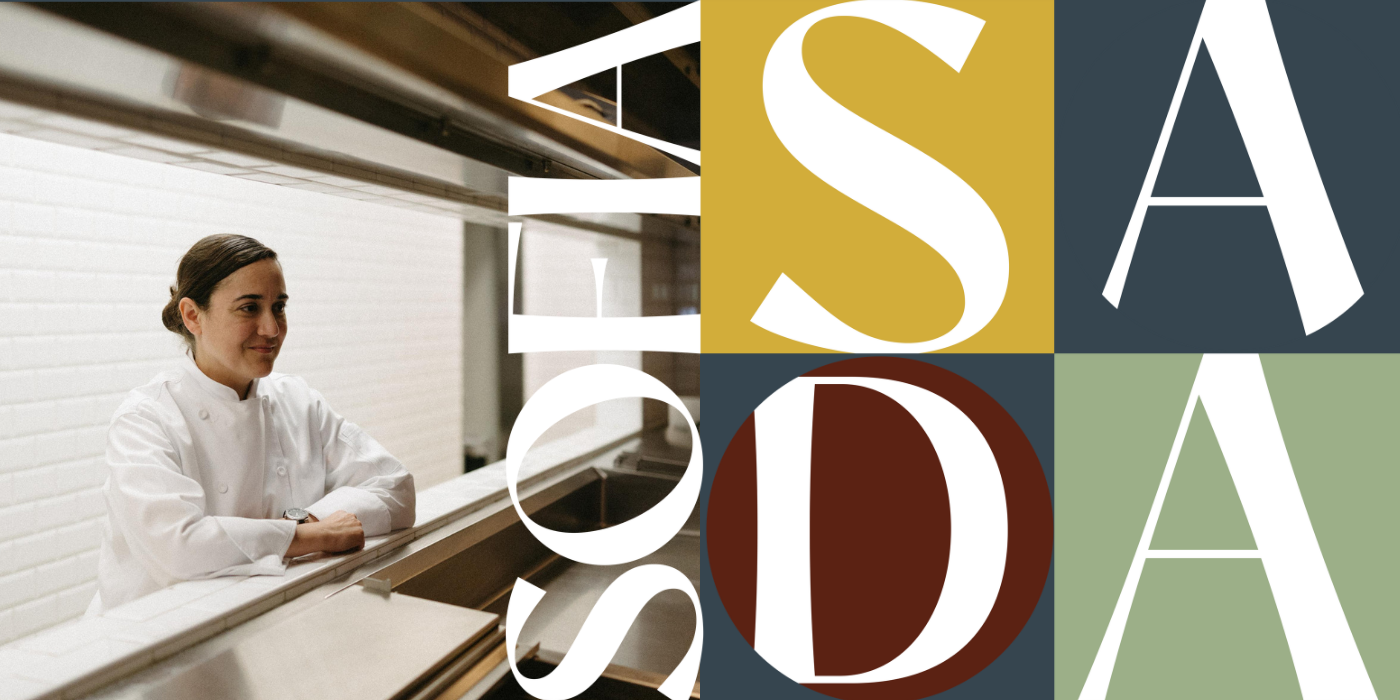
Have you ever watched a cooking competition show and wondered what it would be like to have one of those incredibly talented chefs cook for you? Not at a crowded restaurant where you’re one of dozens of customers, but actually for you—crafting a meal designed around your preferences, served in your space, created by someone who has proven their skills on the world’s biggest stages?
It sounds like a fantasy reserved for celebrities and billionaires. But here’s the thing: it’s not. Chefs who’ve competed at the highest levels do take private clients. They do cater events. They do bring their television-honed skills to weddings, corporate gatherings, and intimate dinner parties.
An Iron Chef Mexico chef with credentials from one of the world’s most prestigious culinary schools isn’t some distant food celebrity—she’s someone you can actually hire for your next important occasion. Let’s explore what this level of culinary excellence looks like, how it develops, and what it means for anyone fortunate enough to experience it.
Understanding the Iron Chef Legacy
Before we discuss what an Iron Chef Mexico chef brings to your table, let’s appreciate the remarkable legacy behind that title. Iron Chef isn’t just another cooking show—it’s a phenomenon that transformed how the world views culinary competition.
The original Japanese series, which premiered in 1993, created something entirely new. Chefs faced off in Kitchen Stadium, battling to create extraordinary dishes featuring secret ingredients, all against a ticking clock. The drama, the creativity, the sheer audacity of what these chefs produced under pressure—it captivated audiences worldwide.
Iron Chef became a measure of culinary greatness. The title carries weight because the competition demands so much: technical mastery across multiple cuisines, creative genius that flourishes under constraints, and the mental fortitude to perform flawlessly while cameras capture every move and judges evaluate every bite.
The concept has since expanded globally. Iron Chef America ran for thirteen seasons on Food Network, introducing a new generation to the format. And more recently, Netflix has revived the brand with versions for different countries, including Mexico—bringing the intensity of Kitchen Stadium to the rich culinary traditions of Latin America.
When someone has competed on Iron Chef, they’ve proven something profound. They’ve demonstrated they can handle the most demanding circumstances a chef can face. They’ve shown creativity that impresses other world-class chefs. They’ve earned a place in culinary history.
Behind the Scenes of Iron Chef Mexico
Netflix’s Iron Chef Mexico brought the legendary format to a culinary culture that deserves global recognition. Understanding this competition helps explain why having an Iron Chef Mexico chef prepare your food is so significant.
The format maintains the classic structure. Challengers face off against Iron Chefs—in this case, culinary giants like Francisco Ruano, Roberto Solis, and Gabriela Ruiz, who was named Best Chef in Mexico in 2019. A secret ingredient is revealed, and both teams have one intense hour to create multiple dishes that will be evaluated by panels of experts.
The Mexican version adds unique cultural dimensions. Ingredients feature prominently in Mexican cuisine—cacao, chiles, corn, and other elements deeply rooted in the nation’s culinary heritage. Contestants must honor these traditions while also innovating in ways that impress judges familiar with the cuisine’s full depth.
What viewers don’t always see is the preparation required. Teams strategize extensively before competition. They consider possible ingredients, plan technique approaches, and coordinate roles so that when the clock starts, everyone knows exactly how to maximize their sixty minutes.
The pressure is almost indescribable. Cameras document every moment. A studio audience watches. Internationally renowned judges will taste and critique your work. And you have exactly one hour—not sixty-one minutes, not fifty-nine—to execute dishes that represent your absolute best.
Succeeding in this environment requires more than just cooking ability. It demands mental strength, physical stamina, creative agility, and flawless teamwork.
Chef Sofia Sada’s Iron Chef Journey
Chef Sofia Sada’s appearance on Iron Chef Mexico came through genuine professional connections and recognized excellence—not through auditions or luck. Her journey to Kitchen Stadium illustrates what distinguishes an Iron Chef Mexico chef from ordinary culinary professionals.
The path began with an established relationship. Sofia had invited Iron Chef Gabriela Ruiz to the Latin Summit multiple times. Ruiz, in turn, had invited Sofia to various events throughout Mexico. When Ruiz received her Iron Chef invitation, she knew exactly who she wanted on her team.
“She said she wanted me to be on her team,” Sofia recalls. This wasn’t a casting call or a random selection—it was one elite chef recognizing another’s capabilities and wanting that excellence by her side during the highest-stakes competition of her career.
The team brought complementary strengths. Ruiz, described by Sofia as “more of an artist,” contributed creative vision. Monterrey-based chef Cecy Gonzalez brought exceptional knife skills and speed. Sofia’s role? Technical precision. As she explains, “The reason why Gaby picked me is I’m a perfectionist when it comes to technique. I teach this. I have to have my cooking techniques down to a ‘T.'”
Sofia appears in episodes two and five of the Netflix series. In episode two, the team tackled the challenge of making ingredients that kids usually hate more palatable—a deceptively difficult task requiring understanding of both sophisticated cooking and child-friendly appeals. Episode five presented street food with cacao, demanding creativity that honored Mexican culinary traditions while meeting competition standards.
Filming took place over a week in Mexico City, though the episodes compress this into much shorter viewing experiences. The intensity of that week—repeated battles, constant evaluation, the need to maintain excellence across multiple challenges—tests every aspect of a chef’s capabilities.
The Culinary Institute of America: Building a Foundation
While television appearances capture attention, the foundation enabling an Iron Chef Mexico chef to succeed at that level is built through rigorous education. For Sofia Sada, that foundation came from the Culinary Institute of America.
The CIA is arguably the world’s most prestigious culinary school. Founded in 1946, it has trained generations of chefs who’ve gone on to lead legendary kitchens, earn Michelin stars, and shape global food culture. Its campuses—including the San Antonio location at Pearl where Sofia has taught—maintain exacting standards.
CIA training covers far more than recipes. Students learn food science, understanding why techniques work at a molecular level. They study culinary history across cultures. They develop skills in menu planning, cost management, and kitchen leadership. They practice techniques repeatedly until execution becomes instinctual.
The standards are demanding by design. CIA graduates need to perform in professional environments where mistakes cost money, dissatisfied customers spread word quickly, and reputations are built one plate at a time. The school’s rigor prepares them for this reality.
Sofia’s connection to the CIA runs deep. She hasn’t just graduated from the program—she’s taught there, shaping the next generation of culinary professionals at Savor, the student-staffed restaurant that serves the public while training future chefs. This teaching role requires mastery that surpasses even professional cooking; you can’t teach what you don’t thoroughly understand.
This educational foundation means consistent excellence. Natural talent matters, but training ensures that excellence isn’t accidental or occasional—it’s reproducible across different dishes, different occasions, different scales.
Why CIA Training Matters for Your Event
When you hire an Iron Chef Mexico chef with CIA credentials, you’re getting more than a talented cook. You’re getting someone whose education specifically prepared them to deliver excellence in exactly the situations you need.
Classical technique provides versatility. CIA training encompasses cuisines from around the world, giving graduates the ability to adapt to different requests. Even if a chef specializes in Mexican cuisine, their training means they understand French sauces, Italian pastas, Asian flavor profiles, and everything in between.
Food safety practices are ingrained. Professional culinary education emphasizes safe food handling at every step. When you hire a CIA-trained chef, you can trust that allergen management, temperature control, and contamination prevention aren’t afterthoughts—they’re automatic.
Kitchen management skills translate to event execution. Culinary school teaches organization, timing, and logistics. These skills ensure your event runs smoothly, with courses arriving at appropriate intervals, temperatures maintained, and service flowing seamlessly.
Problem-solving abilities develop through training. Culinary students face countless challenges during their education—ingredients that don’t arrive, equipment that malfunctions, unexpected complications of every variety. Graduates know how to adapt without panicking.
Standards are internalized, not external. When someone has been trained to the CIA level, they don’t need supervision to maintain quality. Their own expectations exceed what most clients would demand. You benefit from this internal drive toward excellence.
Technique Precision: The Hallmark of Elite Training
Sofia Sada described her Iron Chef role in revealing terms: she’s “a perfectionist when it comes to technique.” This precision represents what separates elite chefs from competent ones.
What does technique precision actually mean? It means cuts are uniform, so ingredients cook evenly and present beautifully. It means temperatures are exact, so proteins reach optimal doneness without overcooking. It means timing is calculated, so all elements of a dish come together at the perfect moment.
Consider something as seemingly simple as sautéing vegetables. An untrained cook might throw everything in a pan together and hope for the best. A trained chef knows which vegetables release moisture and need high heat, which benefit from lower temperatures, and in what order items should be added to achieve ideal textures across the board.
Sauce work demonstrates technique mastery vividly. Proper emulsification, reduction timing, seasoning balance, consistency control—these elements distinguish a forgettable sauce from one that transforms a dish. An Iron Chef Mexico chef with CIA training executes these details automatically.
Presentation reflects technical control. Plates that look beautiful aren’t accidents. They result from precise portioning, intentional placement, and technical skills that allow chefs to manipulate ingredients with finesse.
When you taste the difference, you understand. Technique isn’t abstract—it produces flavors, textures, and experiences that less skilled cooking cannot replicate, no matter what ingredients are used.
Performing Under Pressure: Kitchen Stadium to Your Kitchen
Iron Chef competition creates pressure that few professional environments match. An Iron Chef Mexico chef who has succeeded in that crucible brings proven composure to your event.
What does Kitchen Stadium pressure involve? Clock counting down, cameras recording, studio audience watching, internationally recognized judges waiting, your professional reputation on the line, teammates depending on you, and through all of this, you need to produce dishes that represent your absolute best.
This isn’t theoretical stress—it’s visceral. Heart rates elevate. Hands want to shake. Minds race with possibilities and concerns. Succeeding under these conditions requires mental fortitude that can’t be faked.
How does this translate to private events? Your wedding might not have television cameras, but it carries its own pressures. Guest counts exceeding expectations, timing complications, equipment challenges, unexpected dietary needs—these situations demand the same calm problem-solving that Iron Chef competition develops.
Chefs who’ve performed under extreme pressure develop perspective. A minor setback that might panic a less experienced cook barely registers for someone who’s produced elegant dishes while millions watch. This perspective creates confidence that guests feel even if they don’t consciously identify it.
The result is seamless execution. Events flow smoothly not because everything goes perfectly—things never go perfectly—but because the chef handles complications so gracefully that guests never notice.
The Art of Speed Without Sacrificing Quality
One hour to create multiple dishes that will be judged by world-class palates. Iron Chef’s time constraints force a particular skill: speed that doesn’t compromise quality.
Speed and quality seem contradictory until you watch true masters work. Their movements are efficient—no wasted steps, no redundant actions. Their techniques are refined through repetition until they require minimal conscious thought. Their organization ensures everything needed is exactly where it should be.
This efficiency develops through years of practice. An Iron Chef Mexico chef hasn’t just cooked dishes like yours before—they’ve cooked them hundreds of times, optimizing every step until the process flows like water downhill.
Event cooking particularly benefits from speed skills. When you’re serving fifty or one hundred or two hundred guests, efficiency multiplies across every plate. Seconds saved per portion become hours saved overall.
But speed never overrides standards. The point isn’t just to be fast—it’s to be fast while maintaining the quality that earns recognition. Rushing that produces sloppy results helps no one. True culinary speed means achieving excellence efficiently.
Your event benefits from this combination. Food arrives on schedule without tasting rushed. Courses proceed at appropriate paces without unnecessary delays. The dining experience feels relaxed even when behind-the-scenes execution moves at professional speed.
Creative Problem-Solving in Real Time
Iron Chef reveals a secret ingredient just before competition begins. Contestants must immediately adapt their plans to incorporate this unknown element. This real-time creativity represents a skill that extends far beyond television.
What happens when a chef encounters the unexpected? Lesser cooks might freeze, panic, or produce compromised results. Elite chefs—those who’ve trained for such moments—pivot smoothly, finding new possibilities in changed circumstances.
The Iron Chef format specifically develops this ability. When cacao becomes your required ingredient and you have sixty minutes to produce street food-caliber dishes, you can’t refer to recipe books or consult the internet. You must draw on deep knowledge and creative instincts to generate solutions instantly.
Event catering regularly presents unexpected challenges. An ingredient doesn’t arrive. A guest discloses a previously unmentioned allergy. Equipment malfunctions. Timing shifts. An Iron Chef Mexico chef approaches these situations as opportunities for improvisation rather than disasters.
Creative problem-solving also applies to menu development. When discussing your event, a chef with this training can suggest alternatives you hadn’t considered, combinations that might not occur to you, solutions to challenges you thought were impossible.
This flexibility makes collaboration more productive. Rather than facing rigid limitations, you work with someone whose creativity expands possibilities and whose problem-solving abilities ensure challenges don’t derail your vision.
Television Experience and What It Teaches
Beyond the specific skills Iron Chef develops, television experience itself teaches valuable lessons that benefit clients of an Iron Chef Mexico chef.
Performing for cameras requires composure. Knowing that every moment might be broadcast to millions changes how you work. You can’t hide struggles or mask mistakes—everything shows. Succeeding in this environment builds confidence that translates everywhere.
Television teaches communication. Explaining what you’re doing, why you’re doing it, and what makes it special—these skills develop when producers and editors need understandable content. Clients benefit from chefs who can articulate their culinary approaches clearly.
Visual presentation receives heightened attention. Television is visual medium. Chefs learn that how food looks matters as much as how it tastes. This awareness produces plates that photograph beautifully for your event documentation.
Working under observation becomes normal. Some chefs feel nervous when clients watch them work. Someone with television experience? Observers barely register. This comfort creates better working environments and more relaxed execution.
Media experience also provides marketing substance. When hiring a chef for your event, having someone whose credentials include Netflix appearances adds legitimacy that impresses guests who research beforehand.
Collaboration and Kitchen Leadership
Iron Chef isn’t a solo endeavor. Teams succeed or fail together, and an Iron Chef Mexico chef understands kitchen collaboration at the highest level.
Each team member brings specific strengths. In Sofia’s Iron Chef team, Gabriela Ruiz provided artistic vision, Cecy Gonzalez contributed knife skills and speed, and Sofia delivered technical precision. Together, they accomplished what none could achieve alone.
Understanding your own strengths and others’ enables effective delegation. Kitchen leadership isn’t about doing everything yourself—it’s about organizing resources, including people, to achieve optimal outcomes.
Communication under pressure requires practiced skills. When sixty minutes separate you from judgment, there’s no time for confusion or repeated explanations. Team members must communicate clearly, listen actively, and coordinate seamlessly.
These collaboration skills translate directly to event execution. Professional chefs work with assistants, servers, venue staff, and event planners. Someone who’s collaborated at Iron Chef’s level navigates these relationships smoothly.
Sofia’s teaching experience amplifies her leadership abilities. As an instructor at the CIA, she’s guided countless students through culinary challenges. This teaching requires clear communication, patience, adaptability, and the ability to bring out others’ best work.
From Teaching to Execution: The Complete Package
What makes an Iron Chef Mexico chef with teaching credentials particularly valuable? The combination creates capabilities that exceed either qualification alone.
Teaching requires deeper understanding than doing. You can execute a technique without fully understanding why it works. Teaching that technique demands comprehension of underlying principles—why this temperature, why this timing, why this approach rather than alternatives.
Sofia’s role as chef-instructor at the CIA’s San Antonio campus forced her to articulate knowledge that might otherwise remain intuitive. This articulation strengthens her own practice while enabling her to communicate more effectively with clients and staff.
Teachers develop patience that practitioners might lack. When you’ve explained techniques to students who struggle before succeeding, you develop patience with the learning process itself. This patience serves clients who have questions or need explanations.
Educational experience also provides current knowledge. Teaching requires staying current with culinary developments, techniques, and trends. Students expect relevant instruction, so instructors must continuously learn.
The teaching-execution combination is genuinely rare. Many excellent chefs couldn’t explain their methods clearly. Many excellent teachers couldn’t execute at professional levels. Someone who does both brings comprehensive capabilities.
Bringing Professional Excellence to Private Settings
All of this comes together when an Iron Chef Mexico chef brings their capabilities to your private event. But what does professional excellence actually look like in these settings?
It looks like menus designed specifically for you. Not templates adjusted slightly, but genuine creations reflecting your preferences, your guests’ needs, and your event’s character.
It looks like flawless execution invisible to guests. Behind the scenes might be intensely active, but what guests experience is seamless: dishes appearing at perfect temperatures, courses timed appropriately, service flowing naturally.
It looks like food that exceeds expectations. Not just “good”—truly memorable. The kind of dishes guests discuss afterward, remember years later, measure future meals against.
It looks like problems solved before you notice them. The ingredient substitution made when something arrived below standard. The timing adjustment when another vendor ran late. The accommodation created for a guest’s last-minute dietary restriction.
It looks like confidence you can feel. When your chef has Iron Chef and CIA credentials, you don’t spend your event worrying about the food. That peace of mind transforms your experience.
The Elevated Dining Experience You Deserve
Why does any of this matter? Because food creates memories. Because important occasions deserve excellence. Because you and your guests are worth the investment.
Milestone events happen once. Your wedding, your milestone birthday, your retirement celebration—these moments don’t repeat. The food served becomes part of their permanent memory, for better or worse.
Guests remember quality. They might not analyze technique or identify specific influences, but they know when food is exceptional. That recognition creates positive associations with your event and with you as a host.
An Iron Chef Mexico chef with CIA training represents the pinnacle of accessible culinary excellence. This isn’t some impossible celebrity fantasy—it’s a real option for your real event.The investment in quality pays lasting returns. Photographs capture beautiful plates. Conversations reference amazing dishes. The reputation of your hospitality grows with each excellently catered occasion.
How to Access Iron Chef-Level Culinary Talent
Understanding what an Iron Chef Mexico chef offers leads to a natural question: how do you actually access this level of talent?
Research credentials carefully. Claims are easy to make; verification confirms reality. Look for documented competition appearances, confirmed educational credentials, and evidence of professional accomplishments.
Review portfolio materials. Past events demonstrate capabilities. Photos, videos, and testimonials from previous clients give concrete evidence of what to expect.
Schedule consultations to assess fit. Credentials establish baseline qualifications, but personal chemistry matters for event collaboration. Conversations reveal communication styles and creative approaches.
Discuss your specific needs openly. Share your vision, your constraints, your concerns. Top professionals respond to honesty with creativity and problem-solving.
Request proposals that reflect your event. Generic quotes reveal generic approaches. Customized proposals demonstrate attention and engagement.
Confirm logistics thoroughly. Professional execution depends on practical details—kitchen access, equipment needs, staffing requirements, timing coordination.
Trust the expertise you’re hiring. Once you’ve selected someone with proven credentials, allow their professional judgment to guide decisions. You hired excellence—let it work.
Chef Sofia Sada brings exactly this combination of credentials, creativity, and professionalism to every engagement. From Iron Chef Mexico’s Kitchen Stadium to the CIA’s instructional kitchens to your celebration, her journey represents culinary excellence made accessible.
Conclusion
The path from culinary student to Iron Chef competitor to in-demand private chef represents years of dedication, countless hours of practice, and continuous pursuit of excellence. When someone like Chef Sofia Sada brings this journey to your event, you benefit from everything she’s learned along the way.
An Iron Chef Mexico chef with CIA training doesn’t just cook your food—they bring technical precision refined through rigorous education, creative problem-solving developed under extreme pressure, leadership abilities proven in both competition and teaching, and professionalism that guarantees excellence.
This isn’t about celebrity status or food television drama. It’s about accessing genuine culinary expertise for moments that matter to you. Your important occasions deserve someone who has proven, repeatedly and at the highest levels, that they deliver exceptional results.
The elite credentials exist. The capabilities they represent are real. The opportunity to experience this level of culinary excellence for your own events awaits. You simply need to reach out and claim it.
Frequently Asked Questions
1. What is Iron Chef Mexico? Iron Chef Mexico is a Netflix cooking competition based on the legendary Japanese and American formats, featuring Mexico’s top chefs competing in timed culinary battles with secret ingredients.
2. How did Chef Sofia Sada become involved with Iron Chef Mexico? Iron Chef Gabriela Ruiz invited Sofia to join her competition team based on their professional relationship and Sofia’s recognized technical precision and expertise.
3. What is the Culinary Institute of America? The CIA is one of the world’s most prestigious culinary schools, founded in 1946, known for rigorous training that produces graduates who lead kitchens worldwide.
4. Can I actually hire an Iron Chef competitor for my private event? Yes, many chefs who’ve competed at high levels offer private chef and catering services. Chef Sofia Sada provides these services in the San Antonio area.
5. What makes CIA-trained chefs different from self-taught cooks? CIA training provides comprehensive education in technique, food science, kitchen management, and culinary history that ensures consistent, reproducible excellence across all circumstances.
6. Why does competition experience matter for event catering? Competition develops the ability to perform under pressure, solve problems in real time, maintain quality while working efficiently, and handle unexpected challenges gracefully.
7. What types of events can an Iron Chef Mexico chef handle? Everything from intimate dinner parties to large wedding receptions, corporate events to milestone celebrations—professional chefs scale their skills to match event requirements.
8. How does teaching experience benefit a chef’s professional work? Teaching requires deeper understanding of techniques, develops clear communication skills, builds patience, and ensures current knowledge of culinary developments.
9. What should I expect during consultation with a high-level chef? Detailed discussion of your event vision, preferences, and requirements, followed by customized menu proposals and thorough logistics planning.
10. How far in advance should I book an Iron Chef-level chef? For major events, six months to a year advance booking is advisable; smaller gatherings may need two to three months depending on the chef’s schedule.