
Modern Mexican Chef Sofia Sada

Have you ever taken a bite of something so familiar yet so unexpectedly sophisticated that it made you rethink everything you knew about that dish? That’s exactly what happens when you experience the culinary artistry of a modern Mexican chef who understands that tradition and innovation aren’t opposites—they’re dance partners.
Think of it this way: traditional Mexican recipes are like timeless melodies passed down through generations. A skilled modern Mexican chef doesn’t rewrite the song; they add new instruments, unexpected harmonies, and subtle flourishes that make you hear the familiar tune with completely fresh ears. This is the essence of what Chef Sofia Sada brings to every plate she creates.
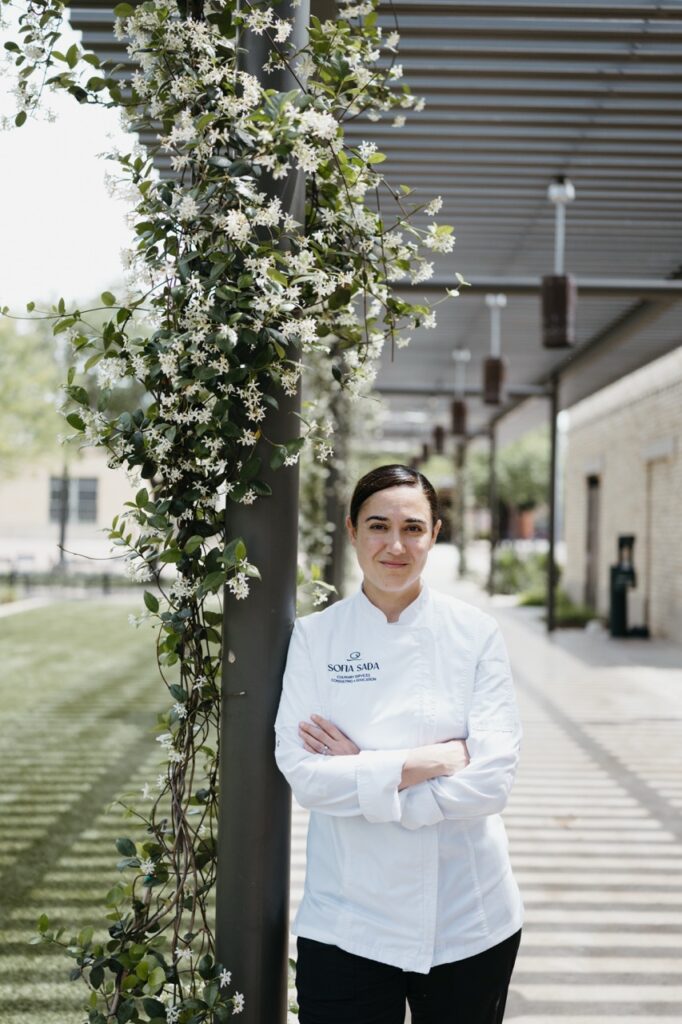
In this comprehensive guide, we’ll explore the fascinating world of elevated Mexican cuisine, how traditional recipes are being reimagined for contemporary palates, and why hiring a modern Mexican chef like Sofia Sada might be exactly what your next event needs.
The Philosophy Behind Elevated Traditional Recipes
What drives a chef to take recipes that have been perfected over generations and reimagine them? Is it ego? Boredom? Actually, it’s usually deep respect combined with culinary curiosity.
Chef Sofia Sada puts it beautifully when she explains her philosophy: she takes basic Mexican recipes and transforms them into something modern. But here’s the crucial part—everything comes from where she grew up, influenced by where she’s from and shaped by how she was trained. This three-part foundation creates dishes that feel both innovative and authentic.
The goal isn’t to improve upon tradition—that would be presumptuous. Instead, the philosophy centers on illumination. Traditional recipes carry wisdom accumulated over centuries. Elevating them means finding new ways to showcase that wisdom while making it accessible and exciting for contemporary diners.
Consider this perspective: your grandmother’s mole recipe isn’t broken. It doesn’t need fixing. But what if you could experience those same complex flavors in a format that surprises you? What if the familiar became fascinating again? That’s the driving force behind elevated Mexican cuisine.
This philosophy also acknowledges evolution as natural. Mexican cuisine has never been static. It absorbed influences from Spanish colonizers, adapted ingredients from around the world, and continues to evolve today. Modern interpretations are simply the latest chapter in an ongoing story.
Understanding the Roots: Where Tradition Meets Innovation
You cannot successfully elevate something you don’t thoroughly understand. This is why the best modern Mexican chef professionals spend years studying traditional techniques before they ever attempt innovation.
The roots of Mexican cuisine run deep. We’re talking about culinary traditions that predate European contact, incorporating ingredients like corn, beans, squash, and chiles that indigenous peoples cultivated and perfected over millennia. Understanding this heritage isn’t optional for anyone serious about modern Mexican cooking—it’s fundamental.
What does understanding the roots actually mean in practice? It means knowing that there are hundreds of chile varieties, each with distinct flavor profiles, heat levels, and best-use applications. It means appreciating that corn isn’t just corn—there are countless heirloom varieties with different textures, colors, and tastes. It means recognizing that traditional cooking methods like nixtamalization aren’t just techniques; they’re transformative processes that unlock nutritional benefits and flavor compounds.
When a chef truly understands these fundamentals, innovation flows naturally. They know which boundaries can be pushed and which should be respected. They understand why certain ingredient combinations work and can apply that logic to create new pairings. They recognize the difference between honoring tradition and merely copying it.
This is what separates thoughtful elevation from superficial fusion. Surface-level approaches might borrow aesthetics, but deep understanding allows for meaningful dialogue between old and new.
Chef Sofia Sada’s Signature Approach to Mexican Cuisine
Born and raised in Monterrey, Mexico, Chef Sofia Sada carries her heritage in everything she creates. Her approach isn’t about imposing external ideas onto Mexican food—it’s about drawing out what was always there and presenting it in ways that captivate modern audiences.
Her signature dishes tell this story clearly. Take, for example, her famous roasted cauliflower. On paper, it sounds simple: roasted cauliflower with chile morita mayonnaise and Parmesan. But when you experience it, you understand why it became a best-seller. Every bite evokes street fair elote—that magical combination of charred corn, mayo, chile, and cheese—while delivering something entirely new.
What makes her approach distinctive? First, there’s the technical precision. As someone who has taught at the Culinary Institute of America and competed on Iron Chef Mexico, Sofia has mastered fundamental techniques that allow her to execute her visions flawlessly. Second, there’s the emotional authenticity. Her dishes don’t just taste Mexican; they feel Mexican because they come from genuine lived experience.
Her Monterrey roots particularly influence her cooking. Northern Mexican cuisine differs significantly from what most Americans associate with Mexican food. It tends toward heartier proteins, robust grilling traditions, and bold flavors. These influences show up throughout Sofia’s cooking, giving her modern interpretations a distinctive character.
Perhaps most importantly, Sofia prioritizes shareability. She designs dishes meant to be passed around tables, encouraging the communal dining experience central to Mexican food culture. This isn’t just a serving suggestion—it’s a philosophy that shapes how she thinks about portion sizes, flavor intensities, and plate compositions.
The Art of Transforming Humble Ingredients
One of the most remarkable aspects of sophisticated Mexican cuisine is its ability to elevate everyday ingredients into extraordinary experiences. This isn’t about expensive imported truffles or rare seafood—it’s about recognizing the inherent dignity of simple foods.
Consider the cauliflower again. In many cuisines, it’s treated as filler, a bland vegetable that needs heavy sauces to become interesting. But in the hands of a skilled modern Mexican chef, cauliflower becomes a canvas for exploring flavor, texture, and technique. The roasting process caramelizes natural sugars, creating complexity without adding anything. The char adds smoky notes that echo traditional cooking methods.
Beans offer another perfect example. Too often dismissed as a side dish afterthought, beans have sustained Mexican communities for thousands of years. Modern Mexican cuisine celebrates them appropriately, treating each variety with the attention it deserves. Properly prepared beans can be silky, creamy, and deeply flavored—worthy of being the star of any plate.
Corn, of course, remains central. But modern approaches explore corn in all its forms: fresh kernels, masa, hominy, corn silk, even corn smut (huitlacoche). Each form offers different possibilities, and innovative chefs find ways to highlight corn’s versatility while honoring its sacred status in Mexican culture.
The transformation process requires patience and technique. Humble ingredients don’t reveal their potential immediately. They need time—slow roasting, careful braising, patient stirring. This investment of time and attention is what separates elevated cuisine from ordinary cooking.
Regional Mexican Flavors in a Contemporary Context
Mexico is not a monolith. Its cuisine varies dramatically from region to region, influenced by local ingredients, indigenous traditions, and historical events. A modern Mexican chef who understands these regional distinctions can create far more nuanced and interesting dishes.
Northern Mexico, where Chef Sofia Sada grew up, has its own culinary identity. This region is known for its cattle ranching traditions, producing some of the finest beef in the country. Grilling and smoking techniques are highly developed here. Flour tortillas are more common than corn in many areas. The cuisine tends toward heartier, more robust flavors suited to the region’s more extreme climate.
Compare this to the Yucatan Peninsula, where Mayan influences remain strong and ingredients like achiote, habanero peppers, and sour oranges define the palate. Or consider Oaxaca, often called the “land of seven moles,” where complex sauce-making traditions have been refined over centuries.
Modern Mexican cuisine often draws from multiple regions, creating dishes that wouldn’t exist in any single traditional context but feel authentically Mexican nonetheless. This isn’t cultural confusion—it’s celebration of diversity. When done respectfully, cross-regional inspiration produces exciting results.
Contemporary chefs also explore regional techniques. Cooking methods developed for specific ingredients in specific places can be applied elsewhere with interesting outcomes. A smoking technique from one region might transform an ingredient from another in unexpected ways.
Fine Dining Techniques Applied to Traditional Dishes
The marriage of fine dining techniques with Mexican ingredients and flavors represents one of the most exciting developments in contemporary cuisine. But it requires careful judgment—not every French technique improves every Mexican dish.
Sous vide cooking offers genuine benefits for certain applications. Precise temperature control allows chefs to achieve textures impossible through traditional methods. Proteins emerge perfectly cooked throughout; vegetables retain vibrant colors and nutrients. When applied thoughtfully, these techniques enhance rather than obscure Mexican flavors.
Sauce work is another area where classical training pays dividends. While Mexican cuisine has its own sophisticated sauce traditions (moles being the obvious example), fine dining approaches to sauce consistency, integration, and presentation can elevate traditional preparations. The goal is never to make Mexican food taste French—it’s to apply technical knowledge in service of Mexican flavors.
Precision in seasoning distinguishes professional kitchens from home cooking. A modern Mexican chef with fine dining training understands how to layer flavors, when to add salt, how acidity balances richness. These fundamentals transcend any particular cuisine and improve cooking across all traditions.
Plating techniques also make a significant impact. Traditional Mexican food often arrives in generous, homey presentations. While there’s nothing wrong with this approach, contemporary plating can create drama and anticipation that enhances the dining experience. Seeing food presented beautifully primes your palate to taste more attentively.
The Role of Presentation in Modern Mexican Cuisine
Let’s be honest: we eat with our eyes first. No matter how delicious a dish might be, its presentation shapes our expectations and, ultimately, our experience. Modern Mexican cuisine takes visual appeal seriously without sacrificing substance.
Color plays a crucial role in Mexican culinary presentation. The cuisine naturally offers a vibrant palette—red from chiles and tomatoes, green from herbs and tomatillos, yellow from corn and saffron, deep brown from chocolate and moles. Contemporary chefs arrange these colors thoughtfully, creating compositions that pop.
Texture contrast matters in presentation too. A plate where everything looks the same—all soft, all uniform—fails to engage the eye. Modern Mexican plates often feature crispy elements alongside creamy ones, rough textures next to smooth, height variations that create visual interest.
Negative space has become increasingly important. Where traditional presentations often filled plates edge to edge, contemporary approaches understand that what’s not on the plate matters as much as what is. A beautiful rim of white space around a carefully composed center draws focus and suggests sophistication.
Garnishing with purpose separates professional from amateur presentations. Random herb sprigs scattered decoratively add nothing. But a precisely placed microgreen that will be eaten with the dish, adding both visual appeal and flavor, demonstrates thoughtful craft. Every element on a modern Mexican plate should earn its place.
Why Shareables and Family-Style Dining Matter
Despite all this talk of fine dining techniques and sophisticated presentations, modern Mexican cuisine never forgets that eating is fundamentally social. Chef Sofia Sada expresses this beautifully when she says she loves shareables and doesn’t want people to just order one dish.
Sharing food creates connection. When everyone at a table reaches toward the same plates, something happens beyond mere nutrition. Conversations flow more easily. People feel closer. The meal becomes an experience rather than just a refueling stop.
Taco tastings as appetizers exemplify this philosophy. Rather than each person ordering separately and eating in isolation, shareable tastings encourage exploration and discussion. “Try this one!” becomes a common refrain. Opinions are exchanged, preferences discovered, meals enriched.
The multi-course shareable approach also allows for culinary storytelling. A chef can construct a narrative through a sequence of dishes, building from lighter to richer, exploring variations on themes, taking diners on a journey. This is much harder to accomplish when each person orders independently.Family-style dining also honors Mexican cultural traditions. Meals in Mexico are typically communal affairs, with multiple dishes placed at the center of tables for everyone to enjoy. Modern Mexican restaurants that embrace this approach aren’t just making service easier—they’re maintaining cultural authenticity.
The Cultural Significance of Chiles in Mexican Cooking
No discussion of Mexican cuisine—modern or traditional—can be complete without addressing chiles. They are perhaps the single most important ingredient in defining Mexican flavor profiles, and their proper use separates authentic Mexican cooking from imitations.
Chef Sofia Sada’s relationship with chiles illustrates their importance. When asked about staple ingredients, she responds without hesitation: chiles make everything taste better. Her favorites include habanero and piquin for fresh peppers, chile de arbol and chile morita for dried. This isn’t just preference—it’s deep understanding of how different chiles contribute different things.
The heat is often overstated when discussing chiles. Yes, many are spicy. But reducing chiles to their heat content misses the point entirely. Each variety offers distinct flavor notes—fruity, smoky, earthy, bright, complex. A skilled modern Mexican chef selects chiles for their flavor contributions, with heat being just one consideration among many.
Dried and fresh chiles behave very differently. Drying concentrates flavors and creates new ones through the Maillard reaction. Dried chiles often need toasting and rehydrating to release their full potential. Fresh chiles provide brightness and immediacy. Understanding when to use each form is essential.
Chile preparation techniques matter enormously. Roasting, toasting, frying, blending—each method produces different results from the same pepper. Modern Mexican chefs often use multiple techniques within a single dish, layering chile flavors for complexity impossible to achieve with any single approach.
From Street Food to Sophisticated Plates
Street food represents Mexican cuisine at its most democratic and delicious. The question for modern chefs is how to capture that magic in fine dining contexts without losing what makes street food special.
The elote inspiration behind Sofia’s famous cauliflower demonstrates successful translation. Street-corner elote—grilled corn slathered with mayo, cheese, chile, and lime—delivers an explosion of flavors and textures. Her roasted cauliflower evokes this experience without literally copying it. The vessel changes, but the spirit transfers.
What makes street food so compelling? Bold flavors, for one thing. Street vendors can’t rely on ambiance or presentation—their food must taste incredible to attract customers. They’ve perfected their recipes through countless repetitions and immediate customer feedback. This refinement through competition produces remarkably delicious results.
Street food also embraces textural contrast. Think about a proper taco: soft tortilla, juicy meat, crunchy onions, creamy salsa, bright cilantro. Every bite delivers multiple sensations. Modern interpretations maintain this textural complexity even when changing formats.
The challenge lies in preservation through transformation. It’s easy to elevate away what made street food great. Adding too many fancy touches can bury the straightforward pleasure that defines these dishes. The best modern Mexican chef professionals know when to stop—when the dish has been elevated enough without losing its soul.
The Farm-to-Table Movement in Mexican Cuisine
The Farm-to-Table Movement in Mexican Cuisine
Contemporary Mexican cooking has embraced farm-to-table principles with enthusiasm, partly because these principles align perfectly with traditional Mexican approaches to ingredients.
Historically, Mexican cooks used what was available locally and seasonally. The industrialization of food production disrupted this connection, but the underlying ethos never really disappeared. Modern movements to source locally simply return to longstanding practices.
Fresh ingredients transform Mexican dishes. The difference between a tomato picked ripe yesterday and one shipped green from far away shows dramatically in salsa. Corn ground fresh versus corn meal bought months ago produces incomparable tortillas. Quality ingredients allow traditional preparations to reach their potential.
Local sourcing also supports regional authenticity. A modern Mexican chef in Texas has access to different ingredients than one in California or New York. Rather than fighting geography, contemporary approaches celebrate it, creating cuisine that’s both Mexican and distinctly local.
Relationships with farmers and purveyors’ matter. Knowing where your ingredients come from—understanding the practices that produced them—adds meaning to cooking. Many modern Mexican restaurants proudly credit their suppliers, acknowledging that great cuisine is a collaborative effort.
How to Choose the Right Modern Mexican Chef for Your Event
If you’re considering hiring a modern Mexican chef for a private event, catering job, or restaurant consulting, several factors should guide your decision.
Look for authentic connection to Mexican culture. Techniques can be taught, but genuine understanding of Mexican food traditions requires lived experience. Chefs who grew up in Mexico or in Mexican households bring perspectives that outsiders cannot easily replicate.
Assess technical proficiency. Modern Mexican cuisine requires classical skills. Look for training credentials—culinary school education, mentorship under recognized chefs, experience in respected kitchens. Competition experience, like appearing on Iron Chef, indicates ability to perform under pressure.
Review their philosophy toward tradition and innovation. During consultations, ask how they balance respect for traditional recipes with contemporary approaches. Be wary of anyone who dismisses tradition entirely or, conversely, seems unwilling to innovate at all. The best chefs navigate thoughtfully between these poles.
Consider their approach to service and hospitality. Technical cooking skill means little if the chef can’t deliver a positive experience. How do they interact with clients? Do they listen to preferences or push their own agenda? Can they accommodate dietary restrictions gracefully?
Check references and samples when possible. Previous clients can speak to both food quality and professional conduct. Tastings, if available, let you experience their cooking directly before committing to larger events.
The Future of Mexican Culinary Arts
Mexican cuisine has been on the rise for the past decade, and all signs suggest this trajectory will continue. But where is it heading?
Increased recognition seems certain. Mexican cooking has historically been underrated in fine dining circles, dismissed as peasant food unworthy of serious attention. This perception is changing rapidly. More Mexican restaurants earn prestigious awards each year, and culinary authorities increasingly acknowledge Mexico’s contributions.
Regional diversity will receive more attention. As diners become more sophisticated, they’ll demand experiences beyond generic “Mexican food.” Restaurants focusing on specific regional cuisines—Oaxacan, Yucatecan, Northern Mexican—will proliferate, educating audiences about Mexico’s true culinary diversity.
Sustainability will become more central. Traditional Mexican ingredients and techniques are often inherently sustainable. As environmental concerns grow, this alignment with eco-conscious values will become a selling point.
Innovation will continue, respectfully. New generations of modern Mexican chef professionals will push boundaries while honoring foundations. Techniques will evolve, presentations will change, but the essential connection to tradition will remain.
Bringing Modern Mexican Cuisine to Your Table
Whether you’re planning a wedding, corporate event, intimate dinner party, or simply want to explore elevated Mexican flavors at home, options exist for experiencing this exciting culinary movement.
Hiring a private chef offers the most personalized experience. Professionals like Chef Sofia Sada can create custom menus tailored to your preferences, dietary needs, and event style. This approach brings restaurant-quality—or better—cooking directly to your space.
Attending special events and pop-ups provides accessible entry points. Many modern Mexican chefs host occasional dinners, cooking demonstrations, or collaborative events. These offer tastes of their cooking at lower commitment than private bookings.
Taking cooking classes combines education with enjoyment. Learning directly from skilled chefs helps you understand not just recipes but philosophies and techniques. Even if you never cook at this level yourself, the knowledge enriches your appreciation of the cuisine.
Simply dining at modern Mexican restaurants starts the journey. Seek out establishments committed to elevating traditional cooking. Pay attention to what makes their approach different. Ask questions. Engage with the food thoughtfully rather than just consuming it.
The world of modern Mexican cuisine invites exploration. Each dish tells a story of cultural heritage meeting contemporary vision. Each meal connects ancient wisdom with present-day creativity. And each bite reminds us that the best cooking honors where it comes from while exciting us about where it’s going.
Conclusion
Modern Mexican cuisine represents one of the most dynamic and exciting developments in contemporary culinary arts. It proves that tradition and innovation aren’t opposing forces but complementary ones, each strengthening the other.
Chef Sofia Sada exemplifies this movement perfectly. Her Monterrey roots ground her cooking in authentic Mexican tradition while her CIA training and Iron Chef experience demonstrate technical mastery. Her philosophy—transforming basic Mexican recipes into something modern while staying true to her origins—produces dishes that satisfy both palate and soul.
Whether you’re a food enthusiast seeking new flavors, an event planner searching for the perfect modern Mexican chef, or simply someone curious about culinary evolution, this cuisine offers abundant rewards. The next time you encounter elevated Mexican food, you’ll understand the thought, skill, and cultural connection behind each beautiful plate.
Frequently Asked Questions
1. What exactly is modern Mexican cuisine? Modern Mexican cuisine takes traditional Mexican recipes, ingredients, and techniques and elevates them using contemporary culinary approaches, fine dining techniques, and sophisticated presentations while maintaining authentic flavors and cultural connections.
2. How does a modern Mexican chef differ from a traditional Mexican chef? A modern Mexican chef combines classical culinary training with deep knowledge of Mexican traditions, applying techniques like precision cooking and artistic plating to traditional flavors, whereas traditional Mexican chefs typically focus on preserving recipes exactly as passed down.
3. Why has Mexican cuisine become so popular in fine dining recently? Mexican cuisine’s complexity, diverse regional traditions, and depth of flavor have finally gained recognition from culinary authorities. Chefs trained in both Mexican and classical techniques have demonstrated that Mexican food deserves fine dining status.
4. What makes Chef Sofia Sada’s approach to Mexican cooking unique? Her combination of Monterrey upbringing, CIA training, Iron Chef Mexico experience, and teaching background creates a distinctive perspective that honors tradition while embracing innovation and shareability.
5. Can modern Mexican cuisine accommodate dietary restrictions? Yes, skilled modern Mexican chefs can create dishes accommodating vegetarian, vegan, gluten-free, and other dietary needs while maintaining authentic flavors, especially since many traditional Mexican ingredients are naturally plant-based.
6. What role do chiles play in modern Mexican cooking? Chiles remain central, valued not just for heat but for their diverse flavor profiles—fruity, smoky, earthy, bright—that create complexity and depth in both traditional and contemporary preparations.
7. Is modern Mexican food spicy? Heat levels vary widely depending on the dish and chef. Modern Mexican cuisine offers options ranging from mild to intensely spicy, with skilled chefs balancing heat against other flavors rather than simply maximizing it.
8. What should I look for when hiring a modern Mexican chef for an event? Seek authentic cultural connection, professional culinary training, a balanced philosophy toward tradition and innovation, strong hospitality skills, and positive references from previous clients.
9. How does family-style dining relate to modern Mexican cuisine? Shareable, family-style service honors Mexican cultural traditions of communal eating while allowing chefs to create multi-course dining experiences that tell culinary stories.
10. Where can I experience modern Mexican cuisine? Options include fine dining Mexican restaurants, private chef bookings for events, cooking classes with skilled chefs, and special culinary events or pop-up dinners in your area.